
Pediatric Gait Issues: What We Learned About Prevention, Diagnosis and Rehabilitation

On July 30, 2026, PlusPhysio – powered by iFour Technolab hosted a webinar on “Pediatric Gait Issues: Prevention & Rehabilitation”.
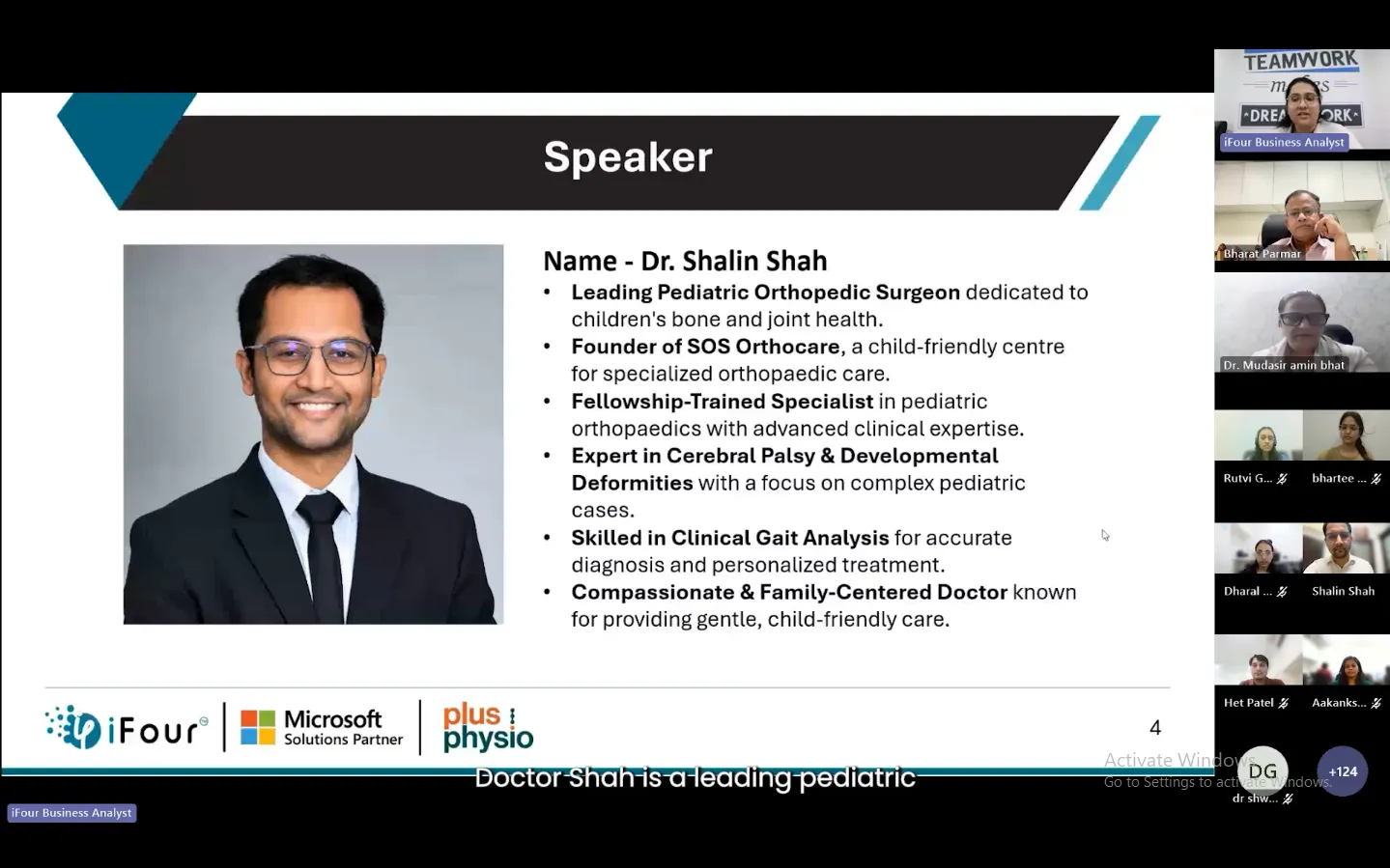
This webinar was led by a seasoned Pediatric Orthopaedic Surgeon, Dr Shalin Shah. He specializes in treating neuromuscular issues, hip injuries, and problems with the foot and ankle.
This is the third webinar, which took place right after the Osteoporosis Management webinar led by Dr Hriday Acharya. It drew impressive participation from around 190 doctors, making it collaborative and engaging.
The webinar started off in a friendly and engaging manner.
Before getting into the main session, the host encouraged participants to talk about what interested them in joining, the challenges they were dealing with, and what they wanted to learn from the conversation.
Soon after this, the host introduced the presenter, Dr Shalin Shah - a veteran Pediatric Orthopaedic Surgeon.
Introducing PlusPhysio and the Expert Speaker
Then, the host gave a brief introduction about PlusPhysio, an AI-driven clinic management platform built with real Physios made just for physiotherapy practices.
It's more than just software; it's a whole ecosystem that links together academia, the physiotherapy community, and more.

Check this out to learn how PlusPhysio strengthens Physio community through Education, Collaboration and Digitalization.
What does the way a child walks tell us about their health?
This question shaped the conversation during this recent webinar.
It triggered multiple viewpoints from different pediatric orthopedics and physiotherapy experts on examining a surprisingly complicated topic: when a child's walking style is just a normal part of growing up, and when it indicates that further assessment is necessary.
The discussion quickly moved beyond the idea that every unusual gait needs to be corrected. Instead, Dr. Shalin Shah encouraged attendees to first understand what is normal for a child’s age, how the musculoskeletal system naturally develops, and which variations are likely to resolve without intervention.
His central message was clear:
Understanding what is normal before identifying what is abnormal
Dr. Shalin Shah opened the clinical discussion with a familiar situation: a concerned mother worried about her young child’s bowlegs. Her concern became even more understandable when she compared the child with an older sibling whose legs appeared different.
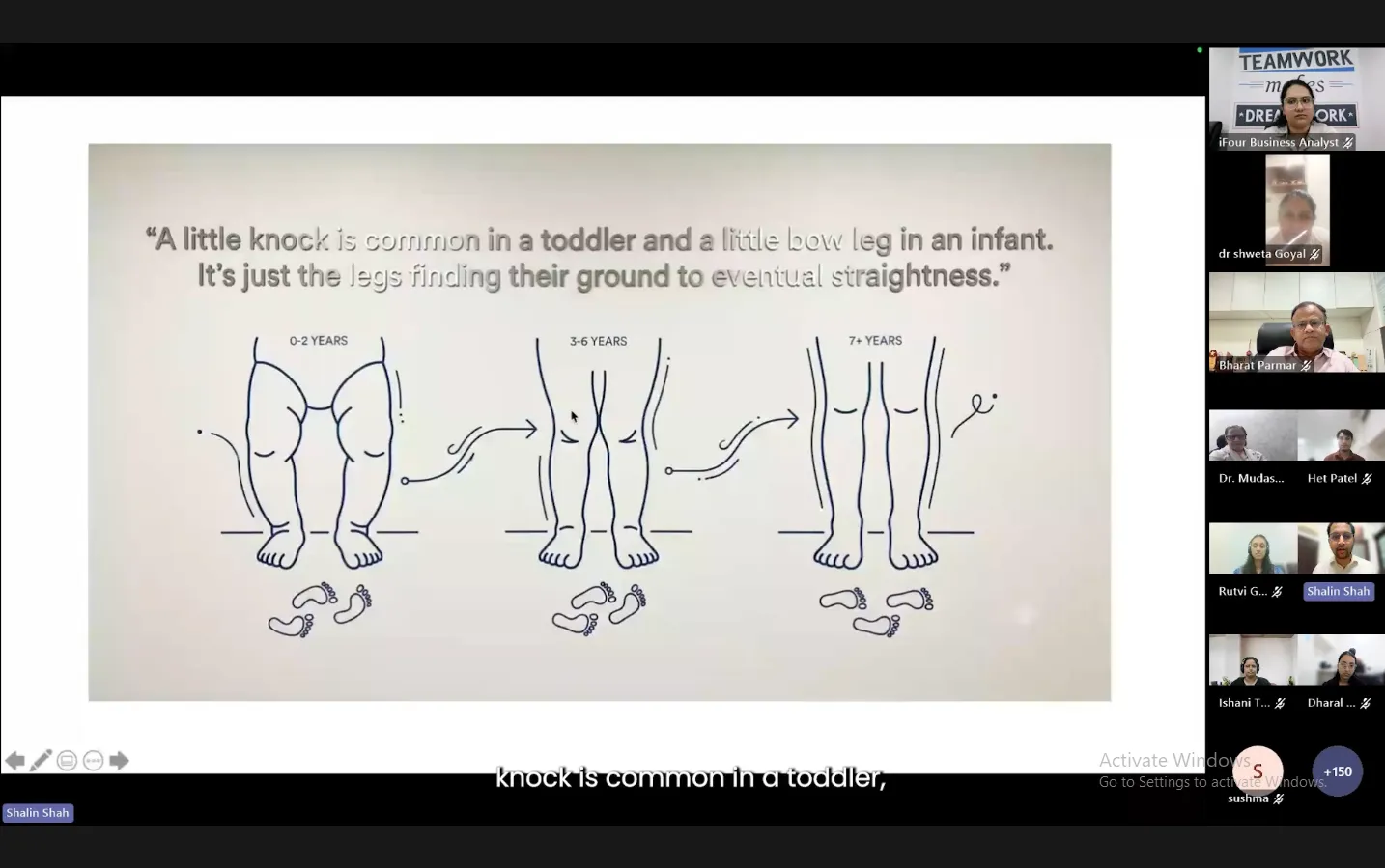
But that comparison illustrated one of the biggest challenges in pediatric gait assessment. Children do not have one fixed “normal” alignment throughout childhood. Their leg alignment changes as they grow.
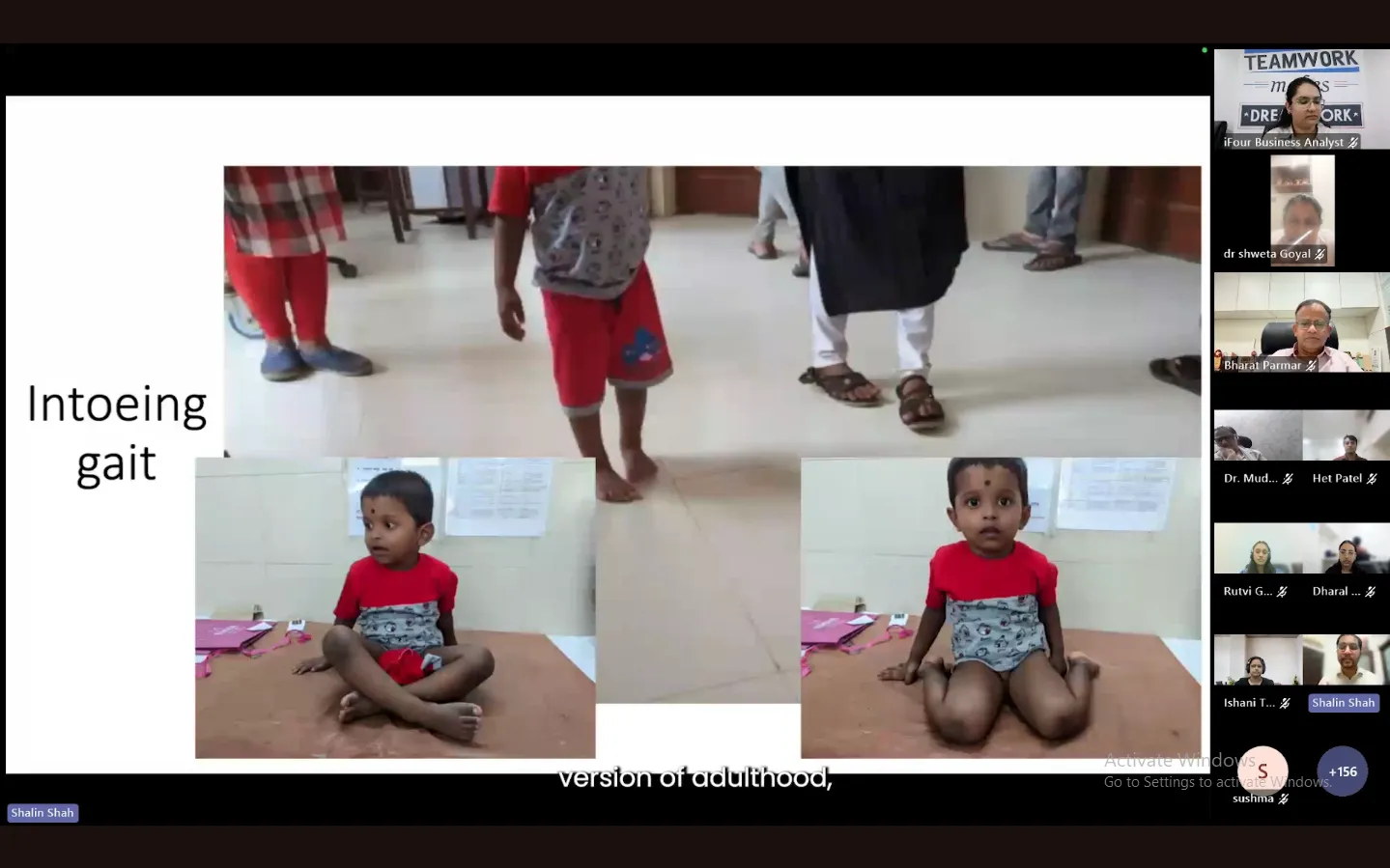
Bow legs in infancy, the transition toward knock-knees during early childhood, and eventual development toward adult alignment can all form part of normal growth. The same principle applies to rotational patterns such as in-toeing.
As Dr Shalin Shah explained, clinicians need to understand the natural history of these conditions before deciding that intervention is necessary. A child may look different from another child of the same family without actually having a pathological gait.
That distinction has important implications for parents and therapists alike.
From an iFour leadership perspective, this was one of the strongest lessons from the session: technology and healthcare systems can support better decisions, but they cannot replace clinical judgment about what should - or should not - be changed.
In healthcare, knowing when to intervene is just as important as knowing how to intervene.
When waiting is the right clinical decision
The webinar repeatedly returned to the idea of natural correction.
Dr Shalin Shah discussed common developmental patterns such as femoral anteversion, in-toeing and age-related changes in leg alignment. In many children, these patterns gradually improve as the child grows and walks.
That means exercises, braces or attempts to force a child into a different sitting or walking position may not necessarily change the underlying developmental process.
This was particularly relevant to the discussion around W-sitting, a topic that generated considerable interest during the Q&A.
Dr. Shalin Shah explained that W-sitting is often a comfortable position for young children because of the natural orientation of the developing femur. Rather than treating the position itself as a habit that must be eliminated, clinicians should consider the child’s hip rotation and overall development.
The broader message was important:
A gait pattern needs to be interpreted in context - considering age, joint movement, muscle strength, neurological status, symptoms and the child’s overall development.
The point where reassurance must give way to investigation
The session also demonstrated that the opposite mistake can be equally concerning: assuming that every gait abnormality will resolve naturally.
Persistent or pronounced abnormalities can indicate underlying orthopedic, neurological or metabolic conditions.
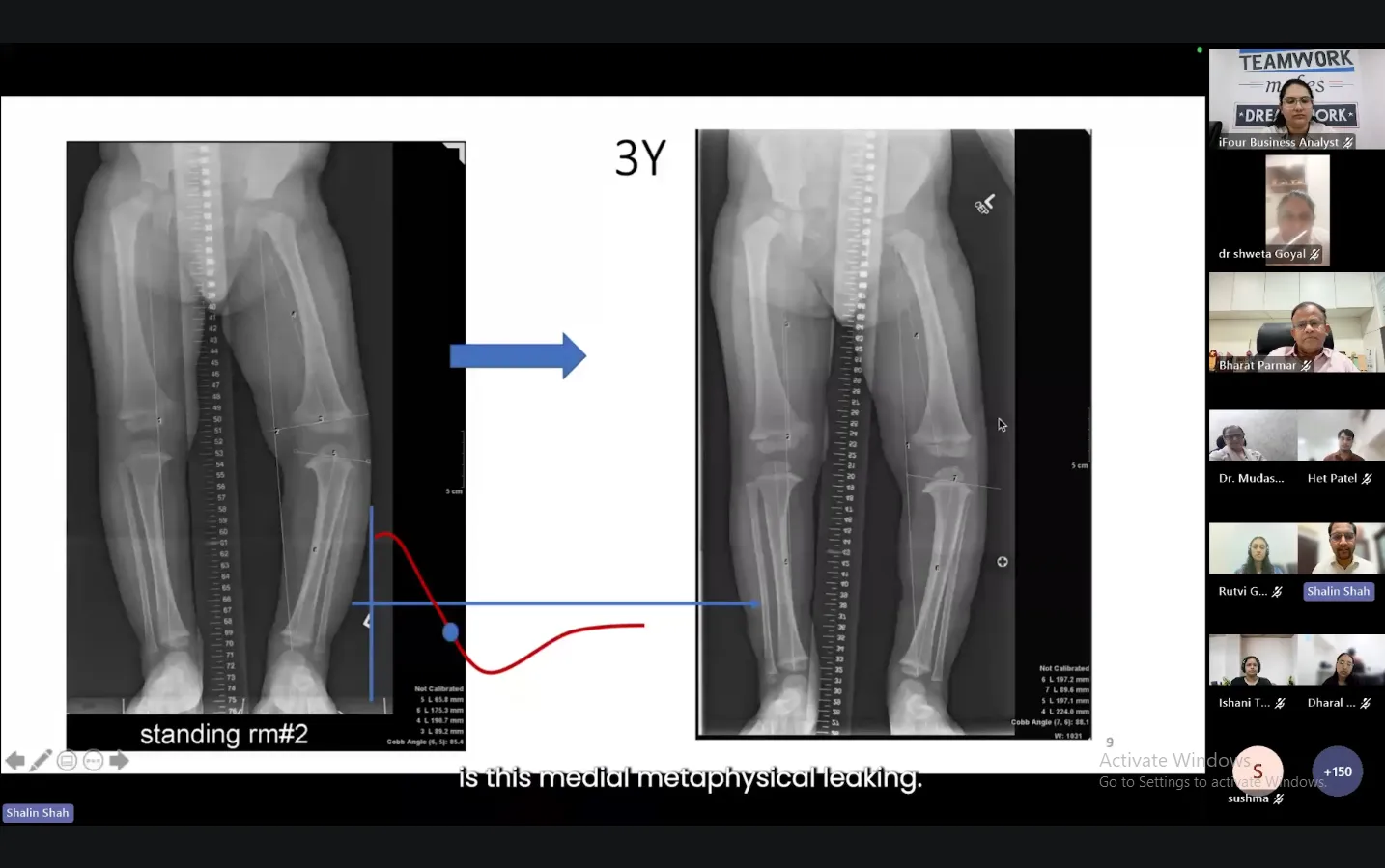
Dr. Shalin Shah discussed examples involving Blount’s disease, persistent genu varum, significant genu valgum, rotational abnormalities and conditions affecting the hip. In such cases, clinical examination and appropriate imaging can become essential to identifying the source of the problem.
One particularly important theme was the need to look beyond the joint where symptoms appear.
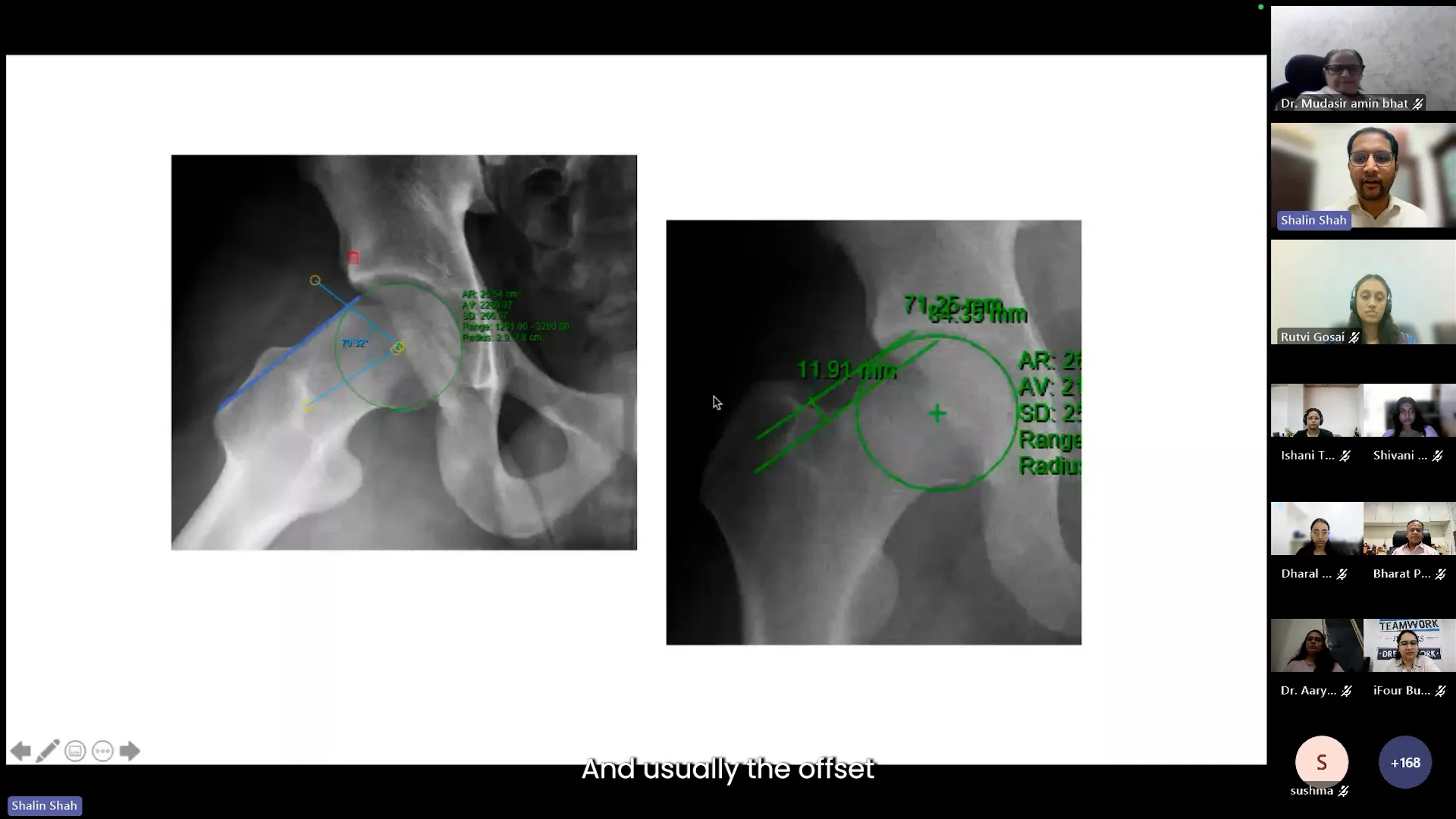
A child complaining of knee pain, for example, may actually have a hip disorder. Dr. Shalin Shah emphasized that hip conditions can present as knee pain, making a careful examination of the hip essential when evaluating unexplained knee symptoms.
Similarly, a child with an unusual walking pattern may require assessment of the entire lower limb rather than focusing on one visible feature.
This holistic approach is especially valuable in pediatric care because children are still developing. A problem affecting one part of the musculoskeletal system can influence movement elsewhere.
Gait can reveal conditions that are easy to miss
One of the most striking parts of the webinar was the discussion of metabolic conditions.
Dr. Shalin Shah described children whose walking difficulties were ultimately linked to nutritional deficiencies, including vitamin D deficiency and scurvy. In one case, a child presented with an inability to walk, while routine investigations had not immediately revealed the underlying problem. Further evaluation identified severe vitamin C deficiency, and the child improved after appropriate supplementation.
The example reinforced a valuable clinical principle:
A change in walking ability can sometimes be the visible expression of something happening elsewhere in the body.
For iFour leadership, this is where the conversation connected strongly with the broader role of technology in healthcare. Better documentation, communication and access to patient information can help clinicians identify patterns over time. But the value of technology ultimately depends on whether it helps healthcare professionals see the patient more clearly - not merely process information faster.
When rehabilitation becomes part of the solution
The discussion then moved into the relationship between orthopedic intervention and physiotherapy.
Dr. Shalin Shah repeatedly emphasized that surgery is not automatically the first answer. For several conditions, appropriately targeted physiotherapy can play a major role in improving symptoms, mobility and function.
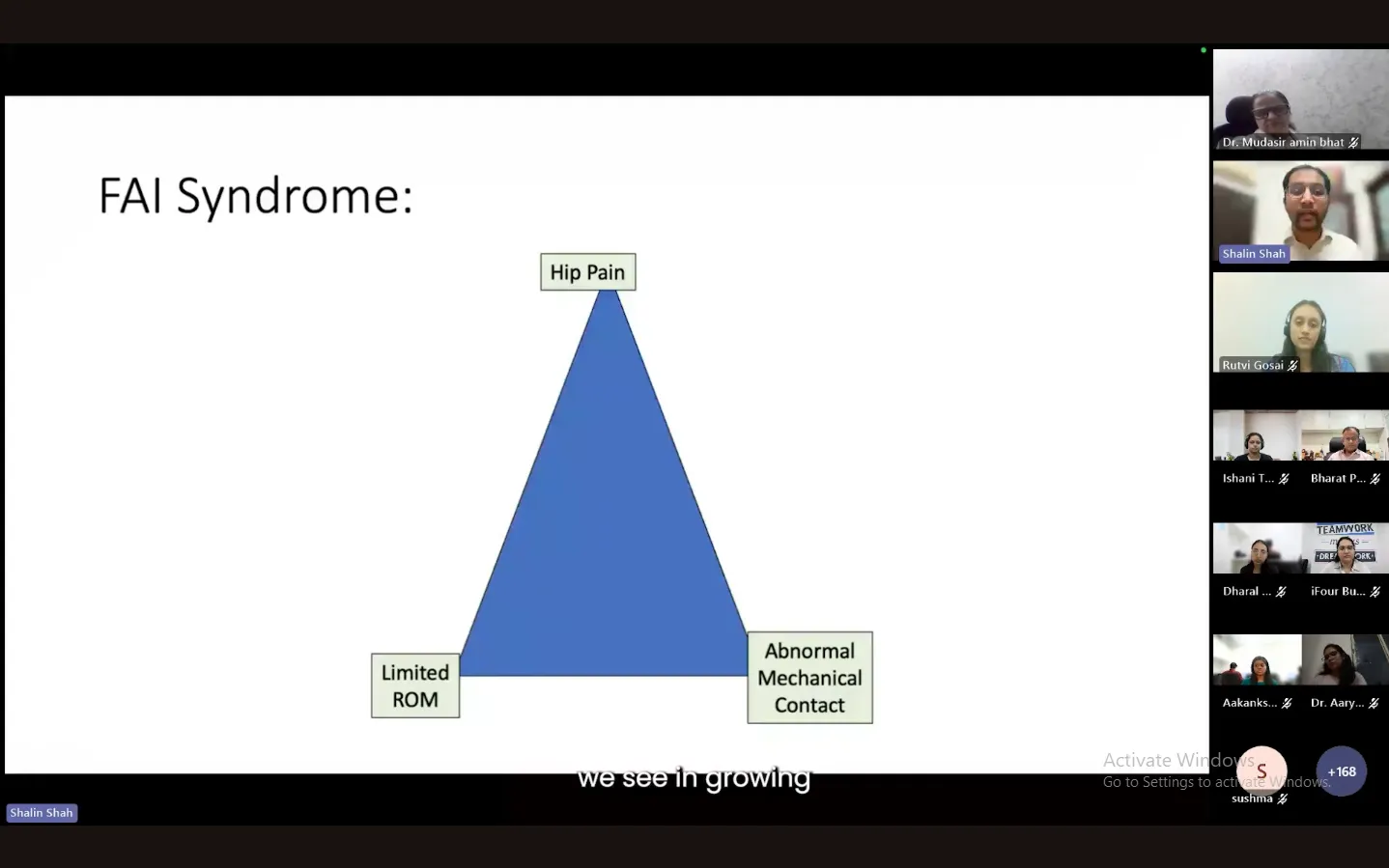
The discussion around femoral impingement was a good example. Where muscle tightness contributes to the problem, focused physiotherapy may be sufficient for many children and adolescents. Surgery becomes relevant when appropriate conservative treatment does not resolve the underlying problem.
The same philosophy appeared throughout the webinar:
A child with crouch gait may have hamstring tightness, but that is not necessarily the only explanation. Weakness in the quadriceps or calf complex, foot deformity, lever-arm dysfunction or other biomechanical factors may also contribute.
That means rehabilitation needs to be individualized rather than based solely on the appearance of the gait.
The conversation became especially practical during the Q&A
The question-and-answer session brought the discussion closer to the everyday challenges faced by physiotherapists, clinicians and parents.
S. Nirmala asked:
Dr. Shalin Shah explained:
he does not routinely prescribe baby walkers, while also emphasizing that the major concern is encouraging children to walk before they are developmentally ready. The discussion highlighted a recurring issue in pediatric development: parents can sometimes feel pressure to accelerate milestones simply because another child reached them earlier.
Dr. Avni asked:
Dr. Shalin Shah clarified:
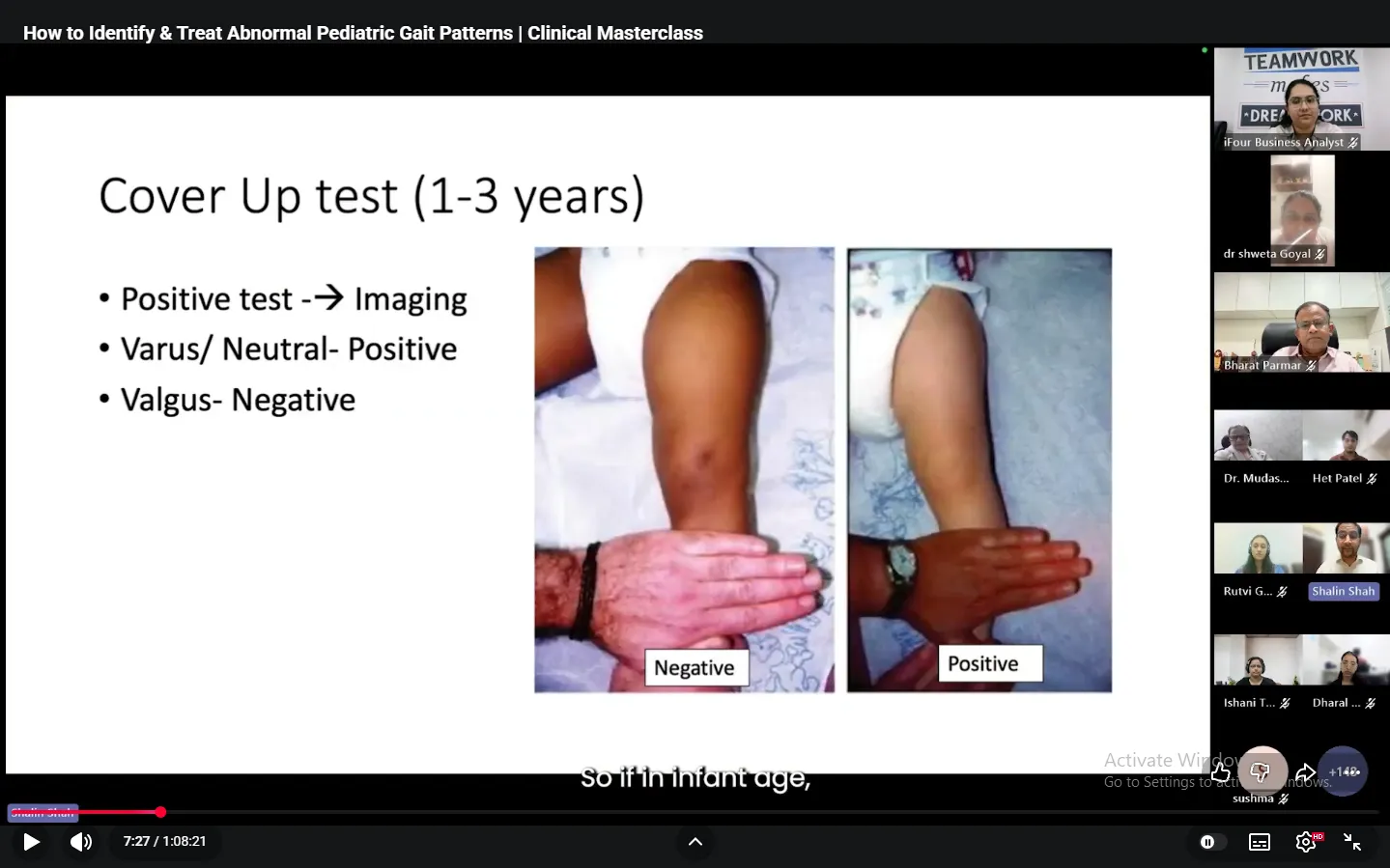
Persistent genu varum at that stage should not simply be considered a normal developmental variation and warrants evaluation, including imaging where appropriate.
Another participant challenged the discussion around baby walkers from a physiotherapy perspective, asking whether their use could contribute to pelvic obliquity. Dr. Shalin Shah explained that he does not prescribe walkers routinely and discussed the distinction between developmental factors and the underlying causes of hip dysplasia and pelvic alignment.
The conversation then returned to W-sitting. The response was reassuring but also clinically nuanced: W-sitting itself was described as a common developmental position rather than a habit that necessarily requires correction. Dr. Shalin Shah suggested looking at hip rotation and following the child’s development rather than attempting to force a different sitting posture.
From crouch gait to cerebral palsy: look for the real cause
One physiotherapist brought a more complex rehabilitation case to the discussion, describing a child whose previous knee flexion problem had improved but who continued to walk with a crouched pattern.
Dr. Shalin Shah explained that persistent crouch gait can have several causes. Hamstring tightness is one possibility, but weakness, foot alignment and lever-arm dysfunction can also contribute. This makes reassessment essential when a child continues to demonstrate an abnormal gait even after one apparent problem has been corrected.
The discussion then moved into cerebral palsy, where Dr. Shalin Shah stressed that spasticity is not the only factor that can influence movement. Altered tone and dystonia can create very different clinical challenges, requiring careful assessment before treatment decisions are made.
For children with cerebral palsy, the discussion emphasized the importance of trunk strength, stretching, standing programs and appropriate functional goals. Dr. Shalin Shah made a particularly important point: correcting a contracture does not necessarily improve walking if the child does not yet have the strength and control required for functional movement.
That is a powerful rehabilitation lesson:
A question about W-sitting revealed another important lesson
A participant described a young child who had previously experienced significant physical difficulties but was now walking better while continuing to sit in a W-position.
The concern was understandable: if therapy had improved other aspects of movement, why had this sitting pattern remained?
Dr. Shalin Shah returned to the principle of natural development. W-sitting can persist for years in some children and does not automatically require intervention. However, children with neurological conditions may require appropriate hip surveillance because their risk profile is different.
This distinction between normal variation and higher-risk populations was one of the most important threads running through the webinar.
The same physical sign can mean something very different depending on the child.
Toe walking requires context too
Another participant raised the case of a young child with idiopathic toe walking who could walk normally but struggled to stand with the feet flat.
Dr. Shalin Shah discussed the importance of establishing that neurological conditions had been ruled out before labeling toe walking as idiopathic. He described an approach centered on focused physiotherapy and stretching, with serial casting considered when appropriate.
The conversation took an interesting turn when the participant explained that the child was on the autism spectrum and behaved differently on different surfaces.
Dr. Shalin Shah connected this observation with differences in sensory perception among children on the autism spectrum. Rather than assuming that every variation in foot position represents a structural abnormality, he suggested considering how the child experiences the environment.
The discussion of footwear was similarly individualized. Rather than presenting a universal solution, Dr. Shalin Shah suggested that different footwear or inserts may work differently for different children and that comfort and individual response should guide the choice.
The discussion reinforced the value of multidisciplinary care
Another participant, identified in the transcript as “Link,” asked about a child with delayed milestones, scissoring and cerebral palsy:
Dr. Shalin Shah discussed the importance of classifying children with cerebral palsy according to gross motor function (GMFCS) and focusing on maintaining or improving functional ability. He emphasized trunk strength, stretching and positioning as important components of rehabilitation.
The question highlighted something that became increasingly apparent as the webinar progressed: pediatric gait management cannot sit within one discipline.
Orthopedic surgeons, physiotherapists, pediatricians, neurologists and families may each see a different part of the same problem. Bringing those perspectives together can make the difference between treating a symptom and understanding its cause.
The importance of timing
Another recurring theme was timing.
Dr. Shalin Shah explained that children with cerebral palsy may experience changes in muscle tightness as their bones grow. Interventions directed at muscles may therefore have different outcomes depending on where the child is in their growth journey. For rotational deformities, he explained the distinction between treating muscle and treating bone, emphasizing that appropriately timed surgical correction of rotational problems can have durable results.
This was particularly relevant to the discussion of recurrence.
Rather than viewing recurrence simply as treatment failure, the webinar framed it as something that can sometimes be anticipated from the child’s growth and the tissue being treated.
That perspective encourages a more realistic and long-term approach to pediatric rehabilitation.
The final takeaway: observe carefully, diagnose thoughtfully and intervene purposefully
By the end of the webinar, the discussion had travelled from apparently simple concerns such as bow legs, knock knees and W-sitting to complex topics involving cerebral palsy, metabolic disorders, hip dysplasia, rotational deformities, crouch gait and toe walking.
Yet the central message remained remarkably consistent.
The first responsibility is to understand the child.
That means knowing what normal development looks like, recognizing deviations from the expected pattern, identifying red flags, assessing the whole kinetic chain and using imaging or investigations when the clinical picture warrants them.
It also means recognizing the important role of physiotherapy - not simply as a post-treatment service, but as an integral part of assessment, rehabilitation and long-term functional care.
From an iFour leadership perspective, the webinar offered a broader lesson about the future of healthcare: meaningful innovation is not about replacing professional expertise with technology. It is about creating systems that allow experts to spend more time applying their judgment, communicating with one another and focusing on the patient.
The most valuable technology in healthcare is ultimately technology that supports better human decisions.
And perhaps that is the most fitting lesson from a discussion about gait. A child’s movement may look simple from the outside, but understanding what lies behind every step requires observation, context, expertise and patience.
The webinar left attendees with exactly that perspective:
Hey, want to connect with more professionals like you? Come join our Physiotherapy Community and learn straight from the leaders in your field.
Explore plans here