Osteoporosis Management: Prevention, Rehabilitation & Clinical Protocols
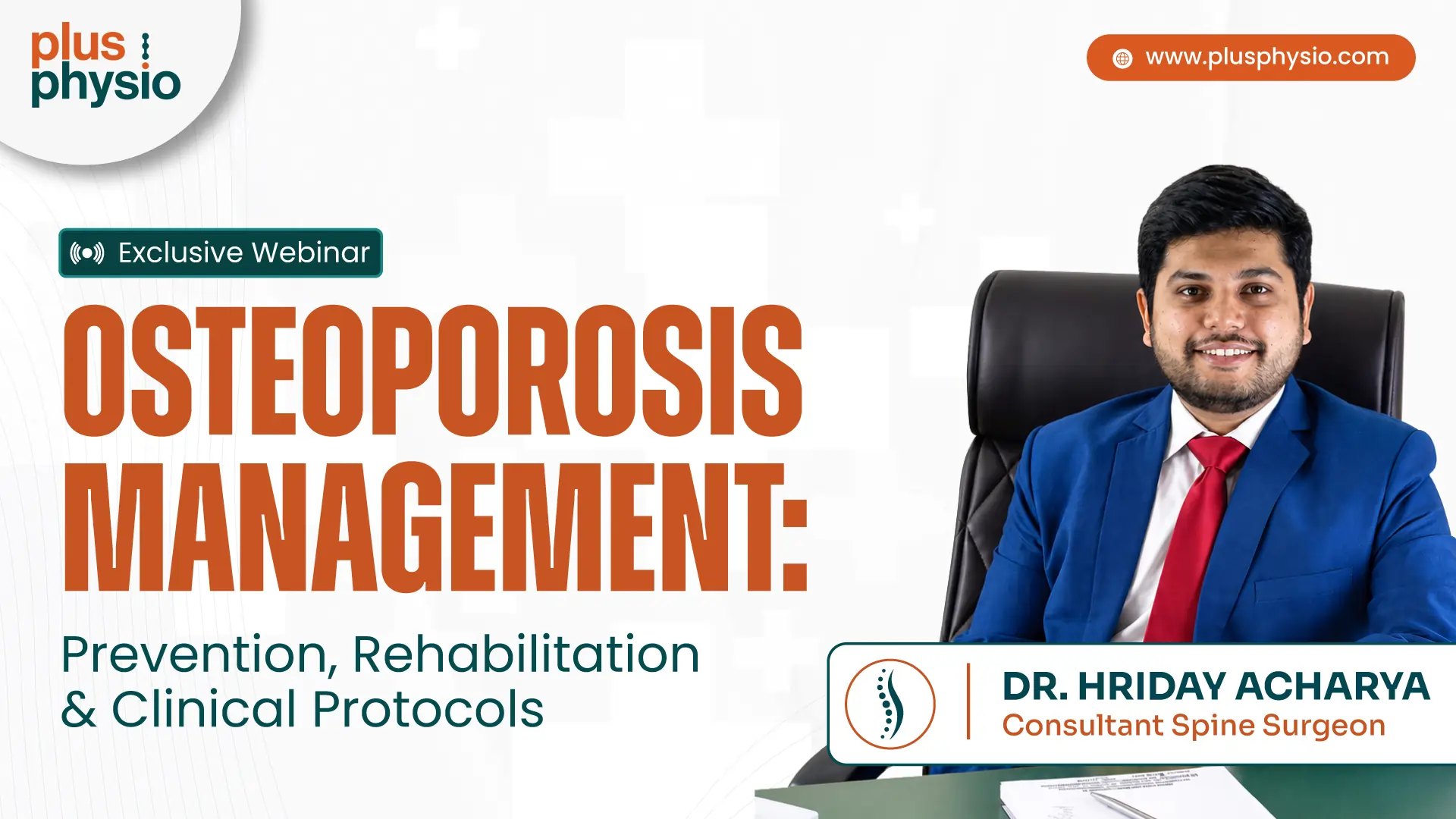
On July 9, 2026, PlusPhysio – powered by iFour Technolab hosted a webinar on “Osteoporosis Management: Prevention, Rehabilitation & Clinical Protocols”.
This session was led by a veteran Consultant Spine Surgeon, Dr Hriday Acharya. He is an MS Ortho Gold Medalist and internationally trained spine specialist with expertise in minimally invasive spine surgery, pediatric spine disorders, and advanced orthopedic care.
This has been the second webinar - hosted right after the “Rotator Cuff webinar led by Dr Vasav Somani”, capturing quite amazing attention of around 355+ doctors in this participative session.
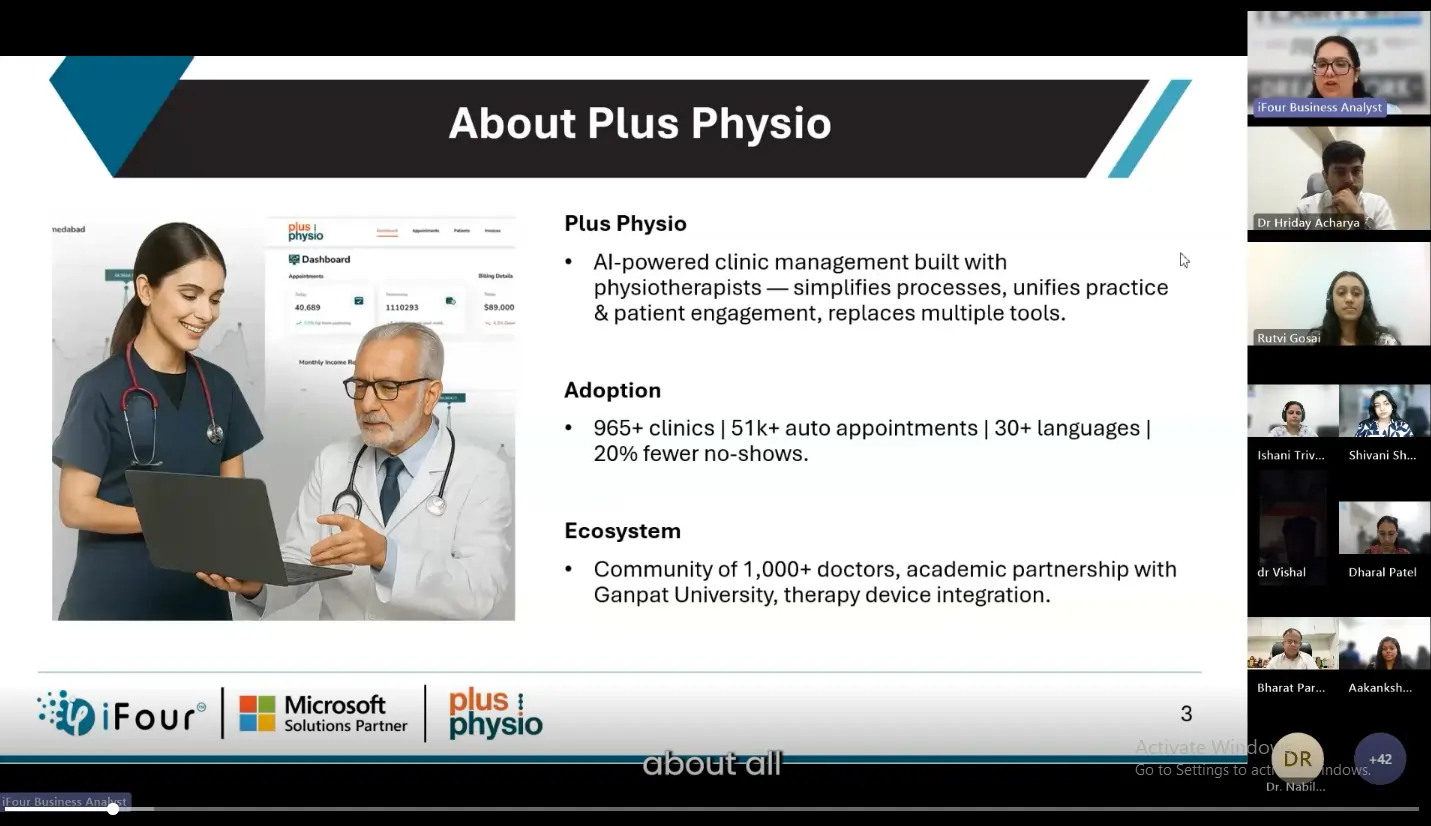
Audience sharing insights on what caught their attention to join.
The webinar opened in a warm and participative way. Before the main session began, the host invited attendees to share what caught their attention to join, what challenges they were facing in practice, and what they hoped to learn from the discussion.
This early interaction set the direction for the session, making it clear that the webinar was designed not just to deliver clinical knowledge, but to respond to real concerns physiotherapists face while treating osteoporotic patients.
One of the first participants to share her experience was Nisha Gharani from Nashik, who explained why osteoporosis management is becoming increasingly important in her daily practice.
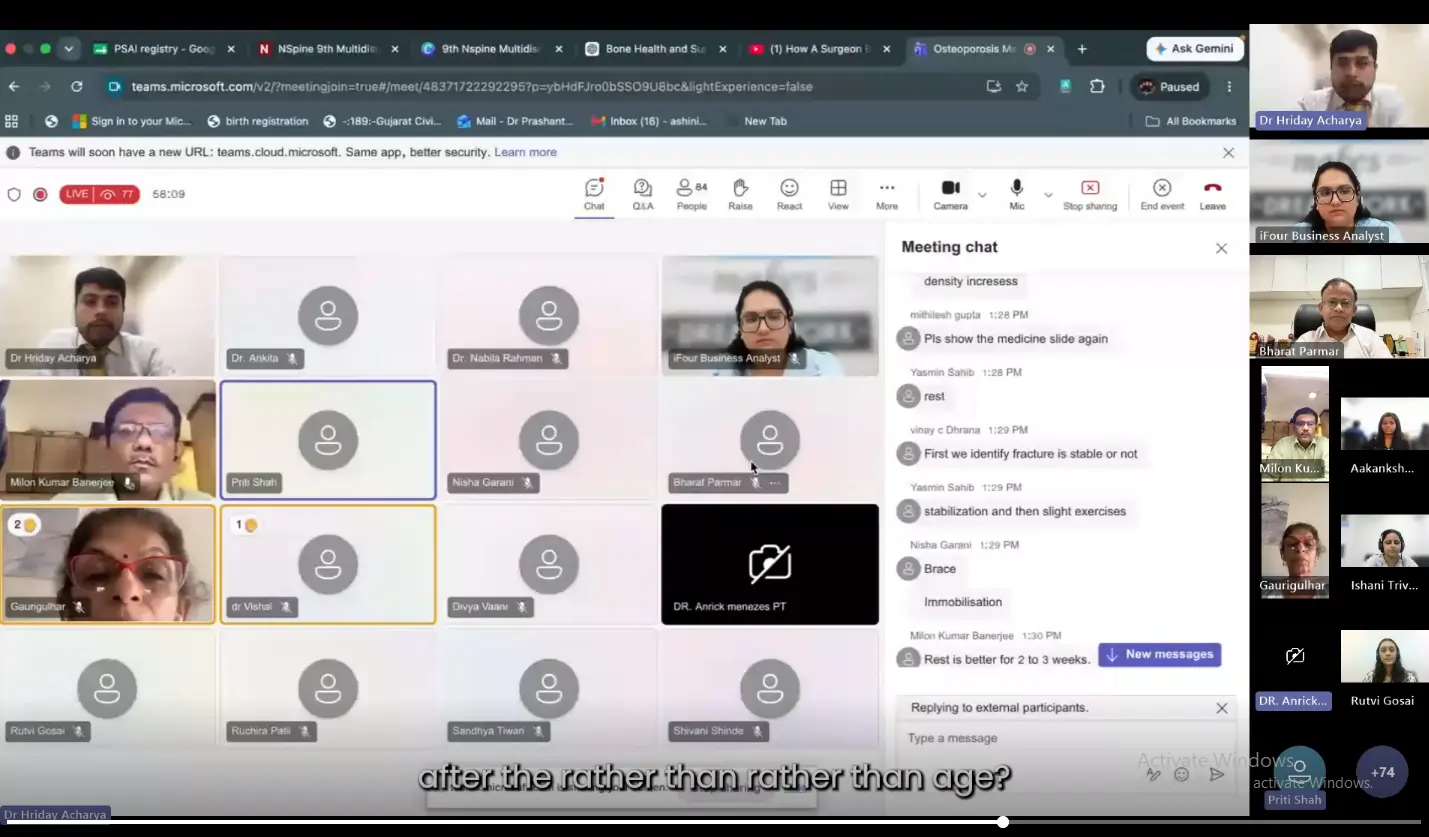
Nisha Gharani asked:
Her concern highlighted a common challenge faced by physiotherapists - while many patients improve, some reach a treatment plateau where deeper clinical understanding becomes necessary.
This opening exchange reflected why such knowledge-sharing initiatives matter. When practitioners openly discuss real patient cases and treatment barriers, technology platforms become more than management tools - they become catalysts for clinical learning and better patient outcomes.
Introducing PlusPhysio and the Expert Speaker
The host briefly introduced PlusPhysio, an AI-powered clinic management platform designed specifically for physiotherapy practices. The platform was positioned as a solution that helps streamline appointment scheduling, patient management, communication, and rehabilitation tracking within a unified ecosystem. The introduction also highlighted PlusPhysio’s growing healthcare community, academic collaborations, and rehabilitation-focused initiatives.
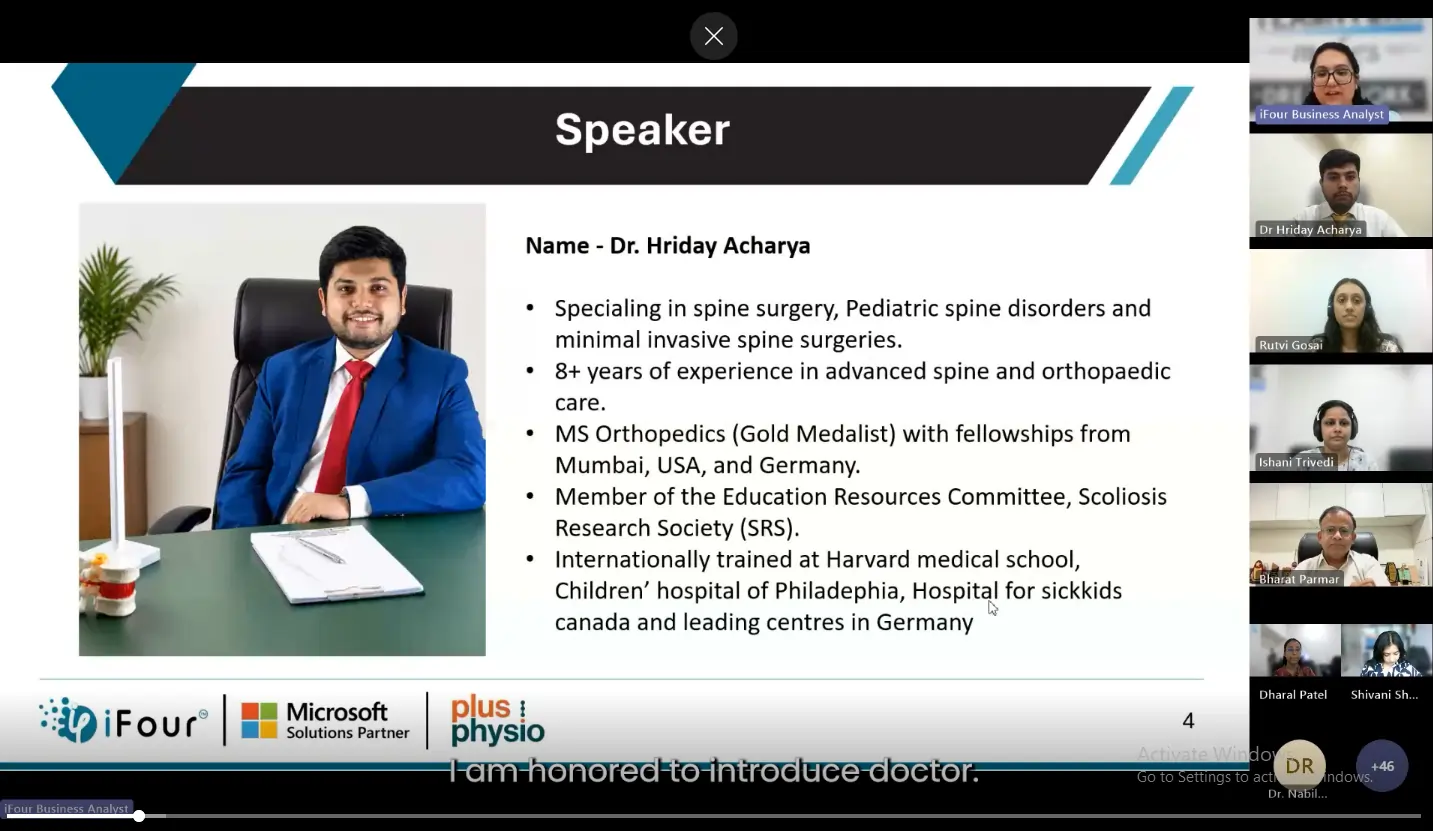
The audience was then introduced to Dr. Hriday Acharya, Consultant Spine Surgeon, MS Ortho Gold Medalist, and internationally trained spine specialist with expertise in minimally invasive spine surgery, pediatric spine disorders, and advanced orthopedic care.
A Memorable Case That Changed the Perspective on Osteoporosis
Dr. Hriday Acharya opened the discussion by appreciating PlusPhysio's efforts in creating a platform where healthcare professionals could learn collaboratively.
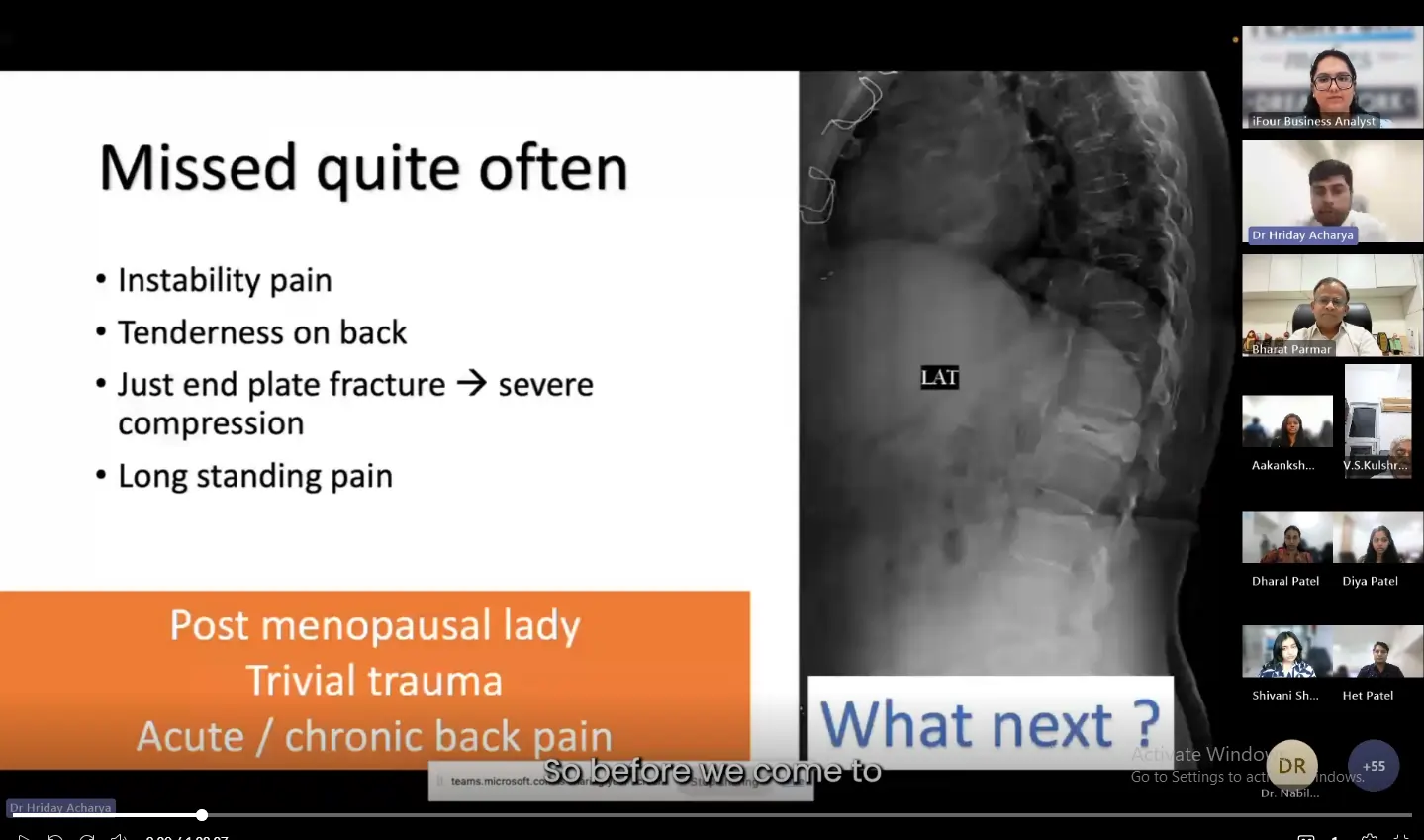
Rather than beginning with definitions and theories, he started with a real-life clinical case involving a woman who developed severe back pain after being pushed by a monkey. While the incident appeared minor, the X-ray revealed an osteoporotic vertebral fracture.
As Dr. Acharya humorously explained:
Dr. Hriday Acharya remarked:
That statement immediately shifted the audience's focus toward an important reality: osteoporosis often remains hidden until a seemingly harmless incident exposes underlying bone weakness.
Why Osteoporotic Fractures Are Frequently Missed
Building on the opening case, Dr. Acharya explained that osteoporotic vertebral fractures are often overlooked because they mimic ordinary back pain. Many patients continue living with chronic discomfort without realizing they have suffered a fracture.
He emphasized that clinicians should remain highly suspicious when postmenopausal women present with trivial trauma followed by persistent or worsening back pain. Thorough history-taking, he noted, is often more valuable than imaging alone during the initial assessment.
From an iFour leadership perspective, this serves as an important reminder that early diagnosis often depends on structured documentation, patient history tracking, and continuous monitoring - areas where digital healthcare solutions can make a meaningful difference.
Simplifying Osteoporosis Through Everyday Analogies
To make complex concepts easier to understand, Dr. Acharya broke down the word osteoporosis itself:
Dr. Hriday Acharya explained:
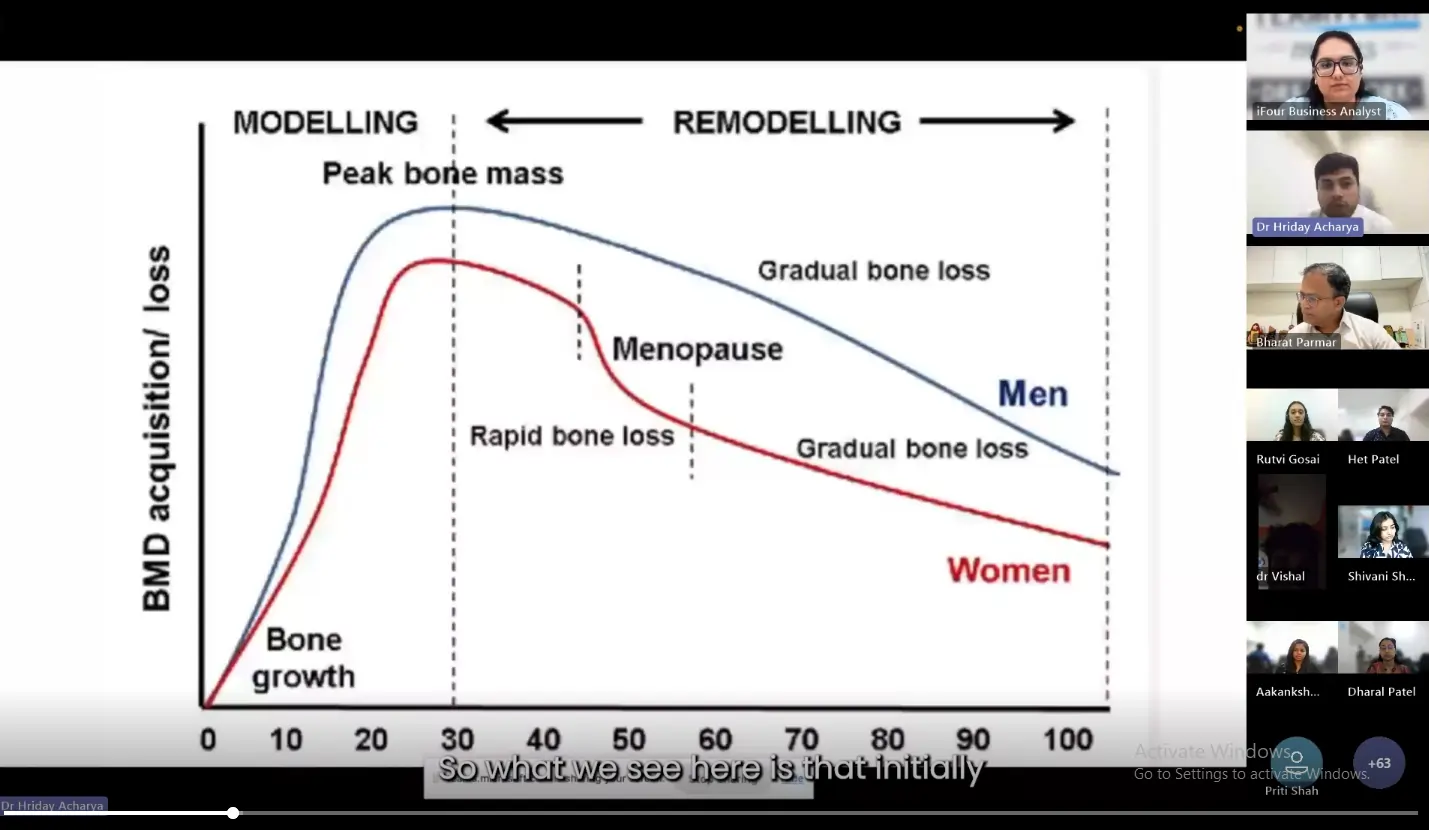
Using relatable comparisons such as bananas, bricks, and pillows, he illustrated the difference between healthy bone structure and osteoporotic bone structure. He clarified that osteoporosis is not simply a calcium deficiency but a broader metabolic condition influenced by hormonal changes, vitamins, proteins, and overall bone remodeling processes.
Identifying Osteoporosis Through Clinical Presentation
When discussing clinical identification, Dr. Acharya invited physiotherapists to share the signs they observe in practice.
Dr. Preeti Shah on Recognizing Fracture-Related Pain
During the discussion, Dr. Preeti Shah raised an important observation about sudden changes in pain patterns.
Dr. Preeti Shah observed:
Dr. Hriday Acharya's Response
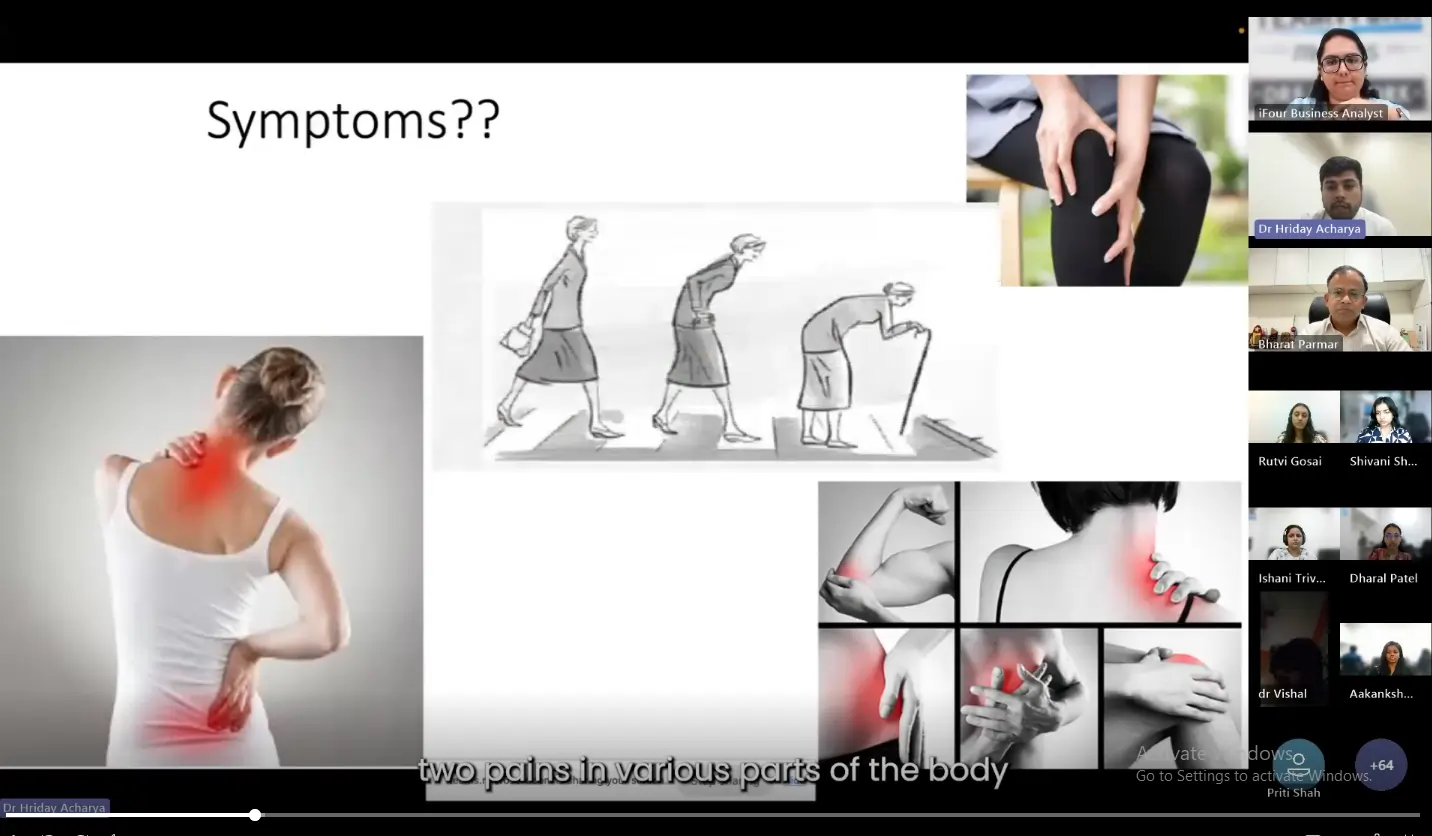
Dr. Acharya agreed and reinforced the point that a sudden transition from chronic dull aching pain to severe, sharp pain should immediately raise suspicion of an underlying osteoporotic fracture.
He also highlighted other common warning signs such as:
- Frequent fatigue
- Reduced physical capacity
- Difficulty walking
- Mid-back pain
- Postural changes
- Pain while turning in bed or changing positions
These symptoms, he explained, should never be dismissed as "normal aging."
The Link Between Osteoporosis and Sarcopenia
The discussion later expanded to the relationship between bone loss and muscle loss.
Dr. Acharya explained that elderly patients often suffer from both osteoporosis and sarcopenia simultaneously. As muscles weaken, balance and mobility decline, increasing fall risk and fracture susceptibility. This places physiotherapists at the center of prevention and rehabilitation efforts.
Essential Investigations for Osteoporosis
Dr. Acharya outlined three important pillars of diagnosis:
- Bone Mineral Density (BMD/DEXA Scan)
- X-rays and MRI when clinically indicated
- Blood investigations including Vitamin D, Vitamin B12, and Calcium levels
He emphasized that bone density assessments should ideally include the wrist, hip, and spine, and clinicians should consider the worst score among these areas when evaluating overall bone health.
Prevention: The Four Pillars of Osteoporosis Management
When discussing prevention, Dr. Acharya emphasized four key pillars:
- Posture
- Exercise
- Weight management
- Nutrition
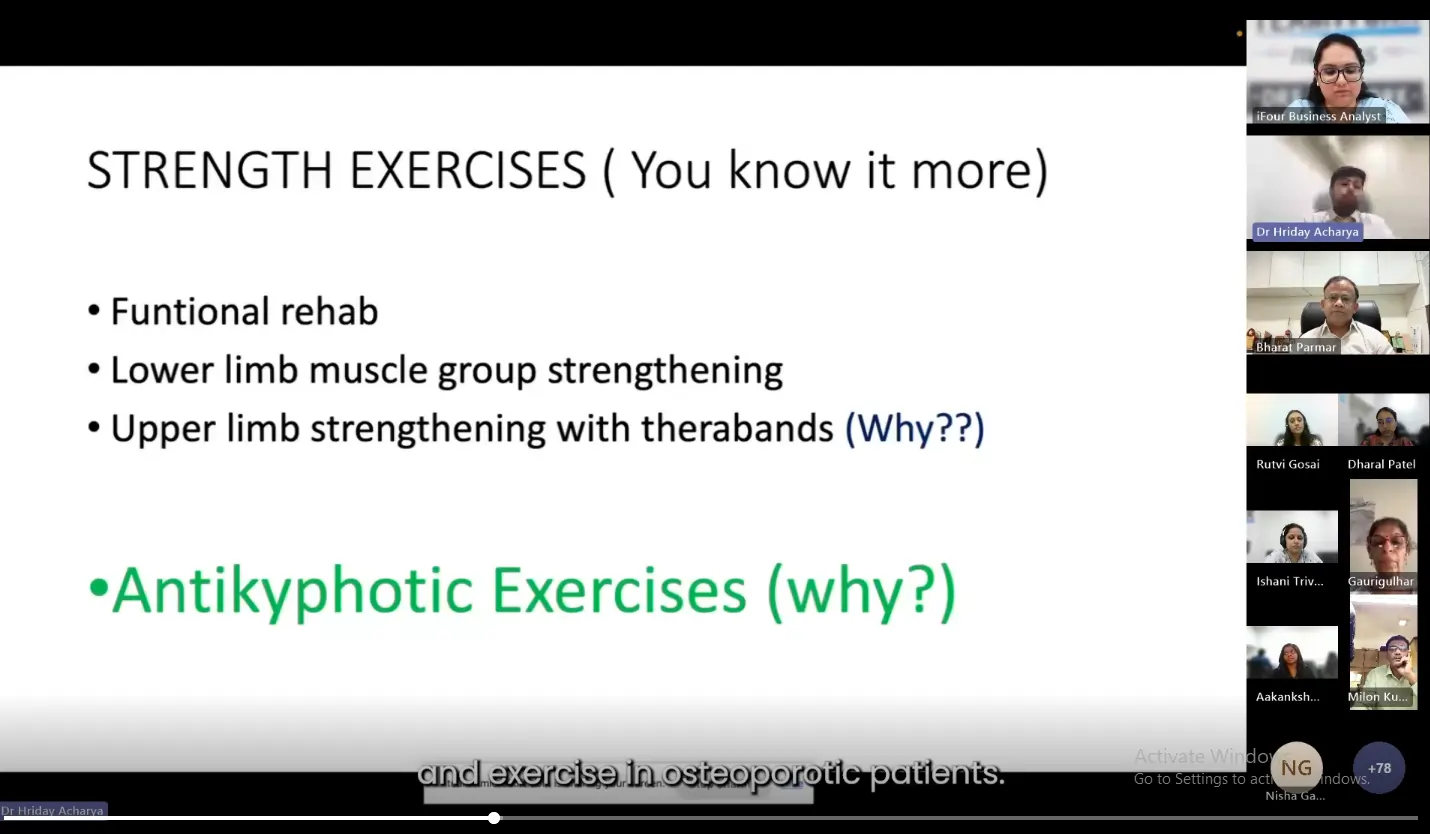
He differentiated between endurance activities such as walking, cycling, and swimming, and strength-focused rehabilitation strategies, including theraband exercises, functional strengthening, and anti-kyphotic training.
From an iFour leadership standpoint, this section reinforced the importance of consistency, patient engagement, and outcome tracking. Successful rehabilitation is rarely about a single intervention - it is built through structured monitoring and long-term adherence.
Rehabilitation Protocols for Osteoporotic Vertebral Fractures
A major portion of the webinar focused on rehabilitation strategies.
Participant's Rehabilitation Perspective
One physiotherapist suggested:
Another participant recommended progressive loading, endurance training, strengthening, and lifestyle modifications once patients became comfortable with movement.
Dr. Preeti Shah on Bracing and Vertebral Height Loss
Dr. Preeti Shah discussed cases involving significant vertebral collapse.
Dr. Preeti Shah suggested:
Dr. Hriday Acharya's Response
Dr. Acharya appreciated the diversity of approaches and emphasized that treatment should always be individualized.
He explained that he typically encourages:
- Early mobilization
- Functional rehabilitation
- Gradual strengthening
- Avoidance of prolonged bed rest
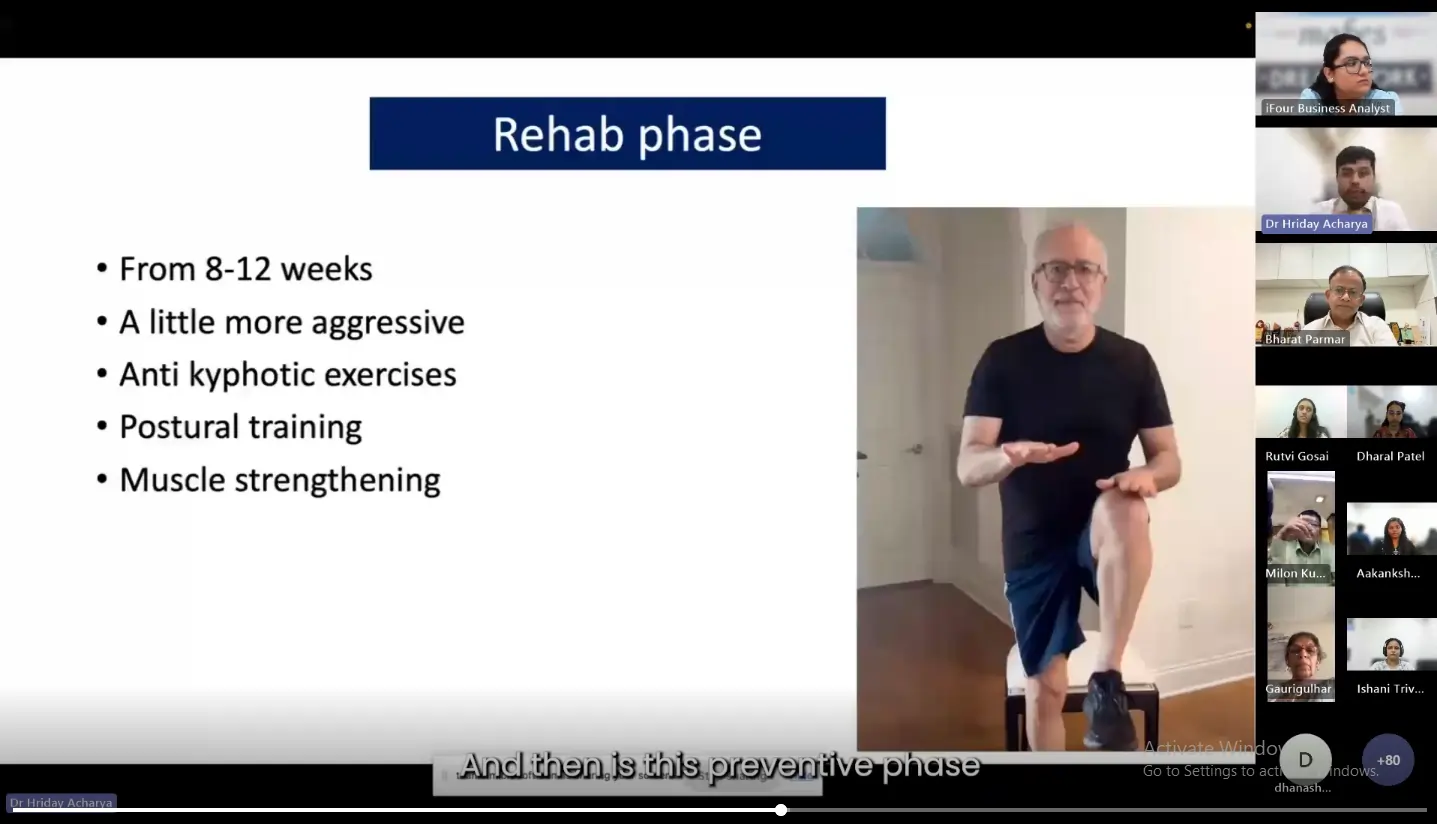
He also described acute, subacute, rehabilitation, and prevention phases to guide treatment progression.
Interactive Q&A Highlights
Dr. Preeti Shah on Long-Term Bone Density Maintenance
Dr. Preeti Shah asked:
Dr. Hriday Acharya responded:
Long-term maintenance depends on age, fracture history, treatment sequence, and regular BMD monitoring. Patients may transition to anti-resorptive therapies once anabolic treatments are completed.
Dr. Preeti Shah on Instability Pain
Dr. Preeti Shah asked:
Dr. Hriday Acharya responded:
Instability pain includes discomfort during turning in bed, getting up, sitting down, or any positional change. He stressed that these symptoms are often highly suggestive of vertebral fractures.
Dr. Preeti Shah on T-Score vs Z-Score
Dr. Preeti Shah asked:
Dr. Hriday Acharya responded:
Treatment decisions are generally guided using the T-score while considering the patient’s overall clinical picture.
Dr. Preeti Shah on Calcium Supplementation After Forty
Dr. Preeti Shah asked:
Dr. Hriday Acharya responded:
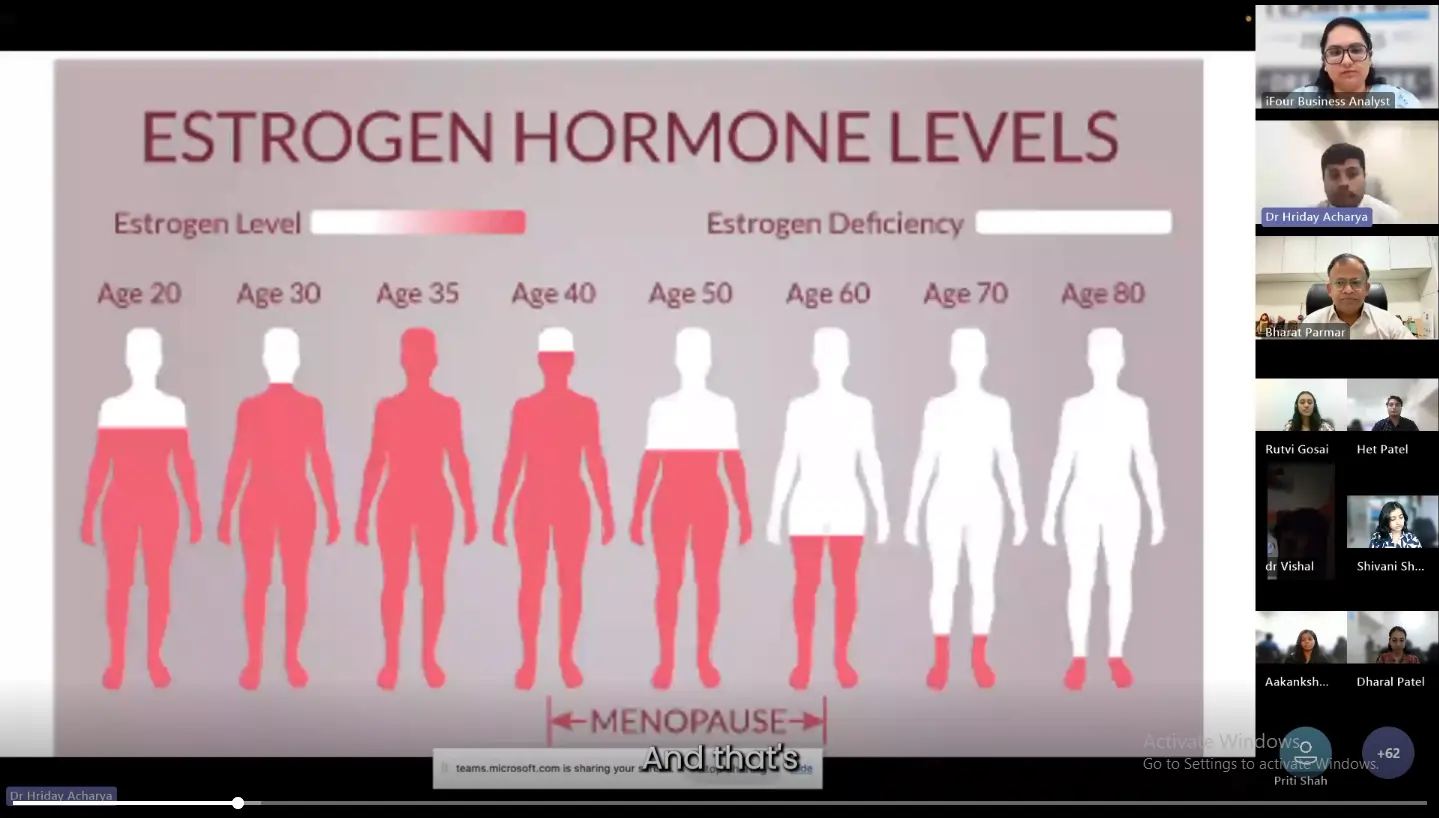
Perimenopause is a more meaningful trigger for supplementation discussions than age alone. He also clarified that appropriate calcium formulations do not automatically lead to kidney stones.
Dr. Deepti on Osteophytes
Dr. Deepti asked:
Dr. Hriday Acharya responded:
Osteophytes are usually degenerative findings. Basic back strengthening and isometric exercises are generally sufficient in most cases.
Dr. Ashwini on Wedge Compression Fractures
Dr. Ashwini asked:
Dr. Hriday Acharya responded:
A wedge compression fracture is a radiological pattern, while an osteoporotic fracture refers to the underlying disease process. An osteoporotic fracture may present as a wedge compression fracture.
Dr. Harikesh on Osteoporosis with Hypertension
Dr. Harikesh asked:
Dr. Hriday Acharya responded:
Yes. Hypertension or diabetes typically do not prevent standard osteoporosis treatment approaches.
Dr. Savita on Injection Side Effects
Dr. Savita asked:
Dr. Hriday Acharya responded:
He noted that zoledronate can cause such reactions, and oral alternatives like alendronate may be considered when clinically appropriate.
Dr. Savita on Hormonal Therapy
Dr. Savita asked:
Dr. Hriday Acharya responded:
Hormonal therapies are seeing renewed use, but decisions should be made jointly with a gynecologist after evaluating the patient's complete risk profile.
Dr. Mithlesh Gupta on PCOS and Osteoporosis
Dr. Mithlesh Gupta asked:
Dr. Hriday Acharya responded:
PCOS alone does not automatically increase osteoporosis risk. However, situations involving prolonged hormonal disruption or early menopause-like conditions may warrant closer monitoring.
Closing Reflections of Osteoporosis PlusPhysio Webinar
The webinar concluded with appreciation from the host, who thanked Dr. Hriday Acharya for delivering highly practical and discussion-oriented insights. The event successfully moved beyond theoretical understanding and focused on real-world challenges confronting physiotherapists every day.
The most valuable aspect of the webinar was not just the clinical expertise shared, but the collaborative discussion that emerged around diagnosis, DEXA interpretation, rehabilitation protocols, supplementation concerns, fracture prevention, and patient education.
Through forums like these, healthcare professionals gain the confidence to make more informed and personalized decisions, ultimately contributing to better patient outcomes and stronger rehabilitation practices.
Want to learn more from similar professionals? Join our Physiotherapy Community and learn directly from your industry leaders.
Simplify your clinic processes digitally
Try PlusPhysio, a leading AI-powered Physiotherapy software - trusted by 1000+ clinics.
Explore plans here